Understanding the Demand for Palm Vegetable Oil
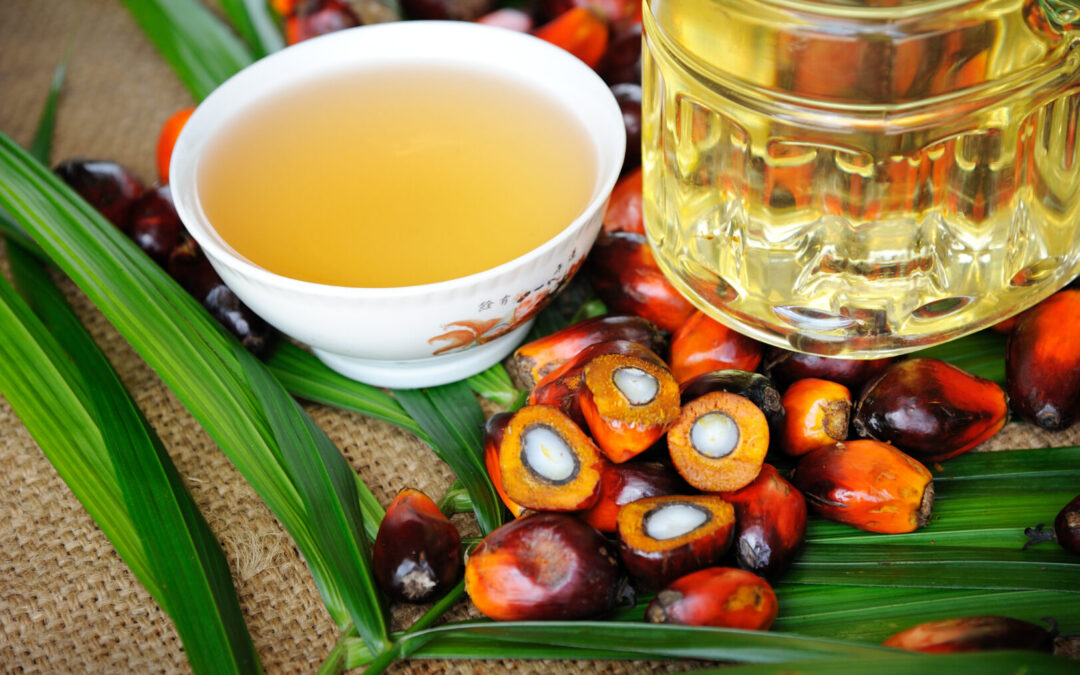
Palm Vegetable Oil (PVO) is one of the most widely used oils in food manufacturing. It’s found in baked goods, margarine, snacks, and more. In South Africa, PVO plays a vital role in industrial food production due to its versatility, long shelf life, and cost efficiency. However, many food manufacturers are caught off guard by the volatile nature of PVO pricing.
This daily fluctuation in cost can impact everything from product margins to long-term planning. Understanding what drives these changes is the first step toward smarter sourcing and protecting your bottom line.
What Causes PVO Prices to Fluctuate So Widely?
Several global and local factors contribute to the frequent changes in PVO pricing. Global crude palm oil prices have a major impact, as South Africa imports most of its palm oil. Currency exchange rates also play a significant role, since PVO is traded in U.S. dollars, any movement in the rand can result in sudden local price shifts. Supply chain issues like shipping delays or port congestion can limit availability and drive up prices, while seasonal harvest cycles and weather conditions in major producing countries affect global yield. Additionally, policy changes such as export bans or tariffs can quickly alter the pricing landscape.
Even slight shifts in any of these factors can lead to noticeable daily price differences.
The Risks of Ignoring Price Volatility
If you’re not actively monitoring PVO prices or planning for volatility, your business could face several risks. Sudden cost increases can shrink your profit margins, while production delays might result from stock shortages or over-purchasing. Inconsistent pricing can hurt your competitiveness in the market, and poor forecasting can misalign with your actual procurement needs. These challenges make long-term planning difficult and highlight the need for proactive strategies.
Smart Strategies to Manage PVO Pricing Uncertainty
Here’s how South African manufacturers can take control of PVO sourcing in an unpredictable market:
- Build strong supplier relationships: A trusted local supplier can offer better insight, pricing consistency, and faster delivery.
- Negotiate volume contracts: Locking in larger quantities can help smooth out price spikes over time.
- Monitor currency trends: Keeping an eye on exchange rates helps you anticipate possible cost changes.
- Use inventory buffers wisely: Maintaining the right safety stock allows you to wait out price surges.
- Stay informed: Subscribe to commodity news and industry updates to anticipate market shifts.
These steps can help protect your operation from surprises and improve your purchasing decisions.
How TrueSouth Helps You Navigate PVO Price Fluctuations
TrueSouth understands the stress that volatile ingredient pricing places on food manufacturers. With a flexible supply model and real-time market insights, we work with our clients to ensure they’re always one step ahead. Whether it’s helping you plan your next bulk order or guiding you through current price shifts, our goal is to support stability and efficiency in your production line.
For a reliable Palm Vegetable Oil supply across South Africa—with fast delivery from Cape Town and Gauteng—TrueSouth is your strategic sourcing partner. Reach out today to learn how we can help you stay ahead of the curve and keep your costs predictable.